The Poster on the Post Office Wall: Commissioning Local Art for Village Screens
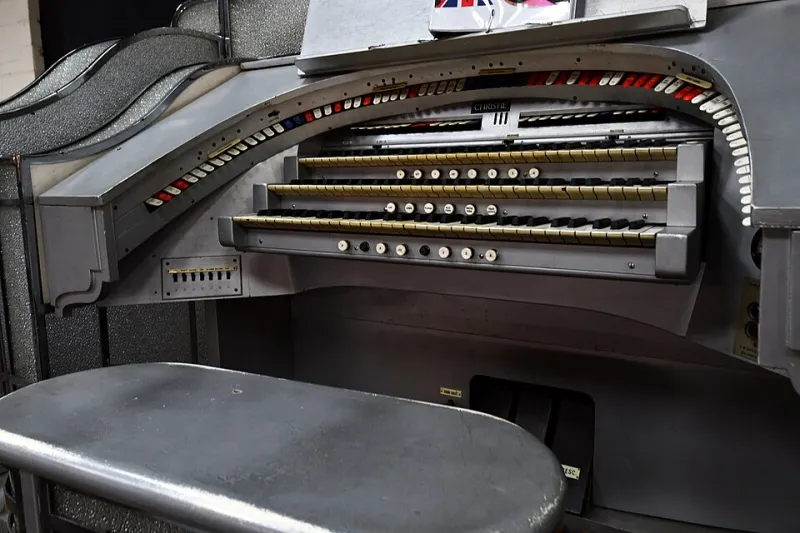
Photo: Michael Garlick , CC BY-SA 2.0, via Wikimedia Commons
There is a particular kind of village cinema poster that has done its job before anyone has read a word of it. It might be pinned inside the post office window, taped to the noticeboard by the church gate, or propped on the counter at the bakery. It does not look like a generic film flyer with the title dropped into a template. It looks like it was made for this place. That is not a small thing. In 2026, with so many screens competing for attention, the artwork around a village film night is often the first conversation a volunteer cinema has with its audience.
Why the A4 flyer runs out of road
The dependable A4 flyer has its uses. It is cheap, quick and can be printed at home when the screening is three weeks away and nobody has volunteered to design anything. But a season built entirely from photocopied film stills and clip art starts to blur. Audiences see the same visual language everywhere, from supermarket adverts to streaming platforms. A village hall cinema cannot outspend that noise. It can, however, sound a different note.
Commissioning local illustration and design is one way to do it. Not because professional artwork magically fills seats, but because it gives a volunteer-run cinema a face. A poster by a local artist can carry the hall’s brickwork, the recreation ground, the bus stop, the strange little slope down to the river. It says this is not a cinema that has been parachuted in. It is a cinema that has grown out of the parish.
Finding an artist who knows the village
The best starting point is usually closer than a stock image site. Ask at the art group that meets on Tuesdays. Put a note in the parish newsletter. Speak to the illustrator who runs a stall at the summer fete, or the graphic designer who works from the back bedroom and has been meaning to get more involved. Local colleges and sixth forms can also be good partners, though a school project needs a clear brief and a realistic timescale.
It helps to look for someone whose style suits the kind of season you are running. A hand-drawn, slightly wonky village scene may be perfect for a season of British comedies. A bold, screen-printed look might suit a weekend of cult classics. The point is not to find a single house style forever. It is to find an artist who can help the cinema say something about itself without turning every screening into the same poster with a different title.
The brief, in plain English
A good brief is not a lengthy document. It is a short, clear note that answers the obvious questions. What is the screening or season? Who is the audience? What size and format will the artwork need to work in? Are you asking for a finished poster, or an illustration that volunteers can adapt into handbills and social media graphics? What is the deadline, and who is the point of contact?
It also helps to say what you do not want. If the cinema is determinedly non-commercial, say so. If the hall has a no-alcohol policy, or the film is a 12A and the audience will include teenagers, mention it. If there is a local landmark that must appear, ask for it gently rather than demanding a checklist. Artists tend to do better work when they are given a clear job and a bit of room.
Budgeting for ink and paper
Volunteer cinemas are often working with tiny margins, so it is worth separating the artwork from the print. A local illustrator might charge anything from a modest fee for a single image to a larger sum for a full season identity. Ask for a written quote, agree what is included, and be honest about the budget. Many artists will offer a rate that works for a community group if the brief is straightforward and the credit is clear.
Print is its own line in the accounts. A short run of A3 posters for hall windows and village noticeboards can sit alongside A5 handbills for pockets and counters. Digital files can be reused on social media and in email newsletters at no extra print cost. It is worth asking the printer for a proof before the full run, especially if the artwork uses dark colours or fine lines. A poster that looks beautiful on a laptop can turn into a muddy rectangle on recycled paper.
Licensing without the headache
When you commission artwork, agree in writing who owns what. A simple licence is usually enough: the cinema can use the artwork for its own publicity, in print and online, for a set period or for the life of the season. The artist keeps the copyright and can show the work in a portfolio. If you want to sell posters as a fundraiser, ask for that separately and agree a split. If you want to adapt the artwork into merchandise, say so at the start rather than after the first print run.
Film titles and stills bring their own permissions. A local illustrator can create an original image inspired by the theme of the season, which is often simpler than reproducing official film artwork. If you are using film logos or stills, check the distributor’s publicity guidelines. None of this needs to be intimidating. A short email, a clear licence and a saved copy of the agreement will do more than a folder full of maybes.
A print run that fits the parish
Village cinemas do not need a city-wide poster campaign. They need enough artwork to reach the people who might actually come. That might mean twenty A3 posters for the hall, the shop, the pub, the doctors’ surgery and the school gate. It might mean two hundred A5 handbills, half of which will be taken home and used as bookmarks. It might mean a digital poster sized for the village Facebook group and a square version for the local WhatsApp noticeboard.
Think about where the artwork will live. A poster behind glass in a bus shelter needs to work at a glance. A handbill on a table needs to work close up. A social media graphic needs to survive being viewed on a phone in bad light. A local artist can design for those different contexts if you tell them where the work is going.
The poster as a front door
The case for local artwork is not that it is always better than a professional film campaign. It is that it does a different job. It makes the cinema visible as a local project, not just a screening. It gives volunteers something to point at and say we made that. It gives audiences a reason to look twice, and it gives the village a visual language for its own film culture.
In 2026, that matters. A village cinema is not only a room with a projector and a licence. It is a small act of collaboration, repeated month after month. The poster on the post office wall is part of that work. It is the front door, the invitation and the reminder that the next film night is not happening somewhere else. It is happening here.