Before the Streetlights: How Village Halls Are Making a Case for Daylight Cinema in 2026
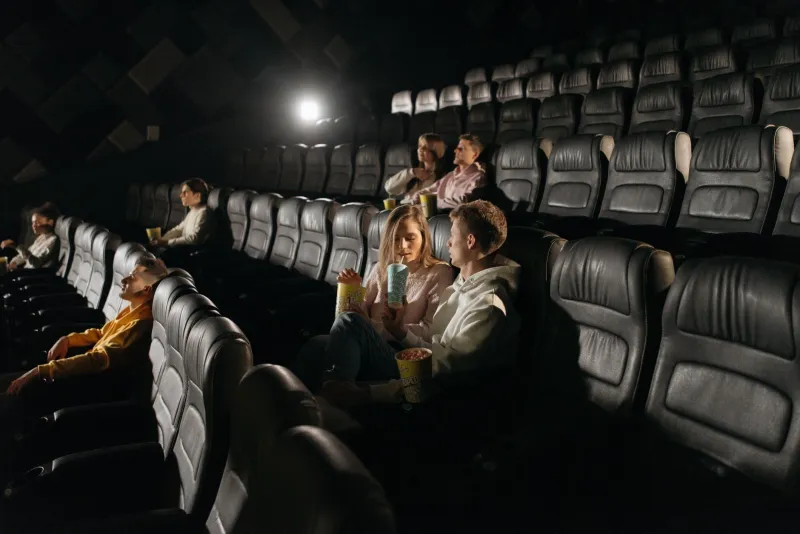
There is a particular sound a village hall makes at two o'clock on a Saturday afternoon. The kettle clicks off. Someone drags a stack of chairs across the floorboards. A child asks, loudly, whether the film has started yet. It is not the hushed, expectant atmosphere of a evening screening. It is brighter, busier and, for a growing number of volunteer cinema teams, rather lovely.
Afternoon screenings used to feel like an afterthought in village cinema: a one-off family show at half term, perhaps, or a concession for people who did not fancy driving home in the dark. In 2026 they are starting to look like a genuine part of the programme. The reasons are practical rather than fashionable. Audiences are changing. So are the pressures on village halls, volunteer rotas and the people who might otherwise never walk through the door.
The audience was always there — just not at 7.30pm
When a volunteer team starts talking about a matinee, the same groups come up again and again. Older residents who avoid night driving on unlit lanes. Shift workers whose week does not fit the usual evening slot. Parents with small children who cannot realistically sit through a feature that finishes after bedtime. People who are free in the day but exhausted by the thought of going out after dark.
None of those groups are niche. They are the village. A daytime screening says, without making a fuss, that cinema does not have to happen at the end of the day. It can happen when the bus runs, when the light is still good and when there is time for a cup of tea afterwards without watching the clock.
The trick is not to treat the matinee as a lesser version of the evening show. It is a different event with a different rhythm. Once a volunteer team accepts that, the programming, the room setup and the volunteer rota all start to make more sense.
Programming for daylight, not darkness
A matinee season does not need to be a diet of gentle nostalgia, although there is nothing wrong with a well-chosen classic. The useful question is what works at that time of day, for that audience, in that room. Shorter runtimes help. So do films with clear endings and a bit of momentum. Documentaries about local places or shared histories can do well, especially when there is a short introduction and a chance to talk afterwards.
One volunteer team testing a small afternoon season earlier this year found that the most successful screenings were not the ones they expected. A family animation packed the hall with prams and grandparents. A mid-length British drama drew a smaller but deeply engaged crowd. The experiment worked because the team resisted the urge to simply move an evening title to the afternoon and hope for the best. They changed the shape of the event: a shorter film, a longer interval, and no pressure to rush everyone out before the hall had to be reset.
That last point matters. Village halls are shared spaces. A matinee that leaves chairs stacked and the kitchen in chaos is a matinee that will soon lose its volunteers. Build the clear-up into the running time. Build the tea break in, too.
The room behaves differently in the afternoon
Daylight is the obvious technical challenge. A hall that feels cosy at 8pm can feel like a greenhouse at 3pm. Blackout curtains help, but so do smaller interventions: checking where the sun falls before choosing the screen position, using side masking, and accepting that the first ten minutes may need a little patience while eyes adjust.
Sound needs a lighter touch as well. An afternoon audience is often more mixed in age and hearing, and the hall may have more background noise from the kitchen or the car park. A quick sound check with the room full — not empty — is worth more than a perfectly tuned system tested in silence. If the hall has a hearing loop, mention it in the welcome. If subtitles are available, say so. These are not extras. They are part of making the screening work for the people in the room.
Lighting is a balancing act. Full darkness can feel strange at 2pm, and it makes it harder for people to move around or leave quietly. Low-level lighting along the aisles is usually enough. The aim is not to recreate a city multiplex. It is to make the hall feel comfortable, safe and attentive.
Getting there before the streetlights come on
Transport is where matinees quietly win. A 2pm start sits inside the window when many local bus services are still running. It gives people who no longer drive a realistic way to attend. It also makes life easier for parents coordinating school pickups, and for anyone who would rather not navigate a dark car park after the credits.
Volunteer teams should be careful not to promise more than they can deliver. A lift-sharing board by the door is one thing; coordinating a full transport service is another. Keep it simple. Share bus times in the publicity. Ask regulars if they would be happy to offer a lift. Make sure the hall is warm, the entrance is well lit and the path is clear. Small practicalities do more for attendance than a clever poster.
The tea-and-biscuit logistics
A matinee without tea is just a dark room in the afternoon. The good news is that the catering can be simpler than an evening event. A couple of urns, a stack of mugs, a tin of biscuits and a small team of volunteers is often enough. The bad news is that the queue can arrive all at once.
One approach is to serve before the film as well as in the interval. Another is to offer a fixed-price tea-and-biscuit ticket so the volunteers are not handling cash in a crowded kitchen. Either way, keep the menu short and the signage clear. The point is not to run a café. The point is to give people a reason to linger, chat and come back next month.
Testing without splitting the audience
The understandable fear is that a matinee will pull people away from the evening screening. In practice, the overlap is often smaller than volunteers expect. The audiences are different, or they are the same people choosing different films for different reasons. The key is to make the two events feel distinct. Do not programme the same title twice. Do not ask the same small rota to run both in one day. And do not launch a full season before you know how the first few screenings land.
A four-screening trial is a sensible start. Track who comes, what they say and whether the evening numbers hold steady. Ask the audience what would make the next one easier: a later start, a shorter film, more seating, better signage, subtitles. Then adjust.
The matinee is not a threat to village cinema. It is a reminder that village cinema can be more than one thing. In 2026, with halls looking for sustainable audiences and volunteers looking for ways to make the door open wider, daylight might be the quietest good idea in the room.