What the Attic Kept: A Village Archive Night That Refused to Be a History Lecture
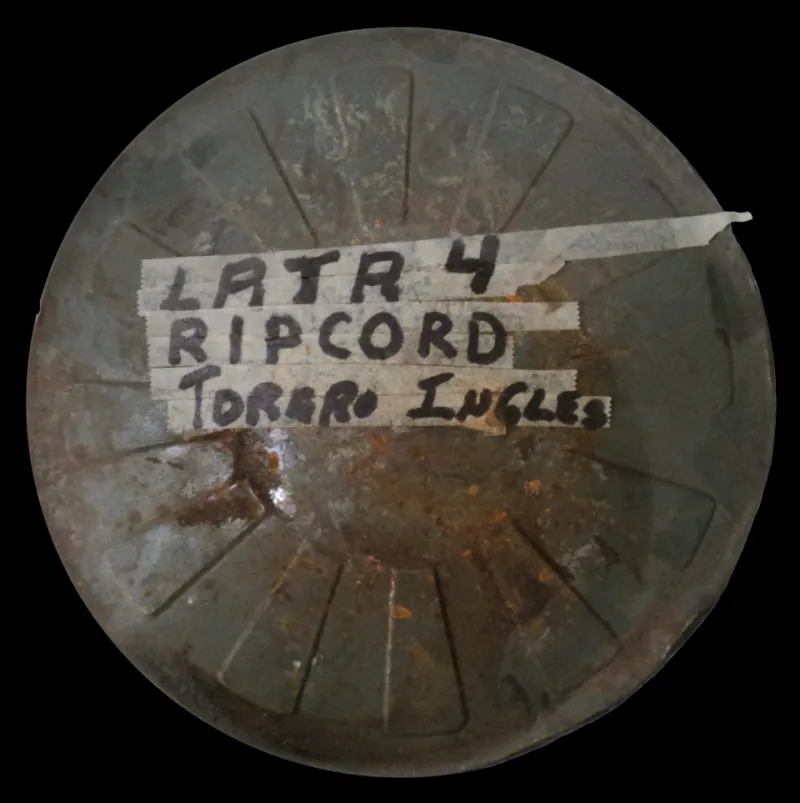
Photo: mannyisdead on Deviantart, CC BY 3.0, via Wikimedia Commons
The tin arrived in a carrier bag, not a shoebox. No label, no date, just a strip of masking tape with “Carnival” written on it in biro. A member of the village hall committee had found it in her late father’s attic and wondered whether the volunteer cinema team might “do something” with it. Six months later, that tin became the centre of a Friday night screening that filled the hall, emptied the tea urn twice and had people standing at the back because every chair was taken.
Together Film caught up with the team behind it. They run a monthly volunteer cinema in a village hall on the Suffolk–Essex border, and they were keen to stress that they are not archivists. They are people who know how to put on a film night. What they learned is that an archive screening is not a history talk with a projector. It is a different kind of community cinema, and in 2026 it is one of the most direct ways a village screen can make its audience the subject.
Start With the Reel, Not the Running Order
The first temptation was to book the hall and print tickets. The second was to assume the tin contained a nice, safe carnival parade. Both would have been mistakes.
Instead, they sent the reels to a regional film archive for inspection. One was acetate with the first signs of vinegar syndrome; another had a splice that needed attention before it went anywhere near a projector. The archive could not magic up a full restoration, but it could tell the team what they had, what condition it was in, and what could safely be projected. That conversation cost them a few weeks and a modest fee, and it saved them from making promises the footage could not keep.
The same went for the VHS tapes that came later. A 1990s camcorder recording of the school sports day is not a film reel, and it needs a decent tape deck rather than a projector. The team learned to separate the collection into “can project”, “can digitise” and “please do not run this through anything”.
The Collection Is Bigger Than the Loft
One tin is a start, not a programme. The team put a call out through the parish council, the WI, the cricket club and the village Facebook group: “Have you got old film or tape of the village?” The wording mattered. “Archive” sounded institutional; “old film” brought people to the door with carrier bags.
What turned up was a working history of the area rather than a single event. There was 16mm of harvest work on the farms beyond the bypass, Super 8 of a school trip, a camcorder tape of a street party, and a reel marked “flood” that turned out to be exactly that. A local record office held another collection that had been deposited years earlier, and the team were able to link the two.
They kept a simple log: who donated what, when, and what condition it was in. They also gave every donor a receipt and a short form asking whether they were happy for the footage to be shown, digitised and kept. That form was not a legal document in itself, but it started the right conversation.
Rights: The Bit Nobody Wants to Chair
Archive rights are rarely straightforward, and local amateur footage is no exception. Copyright can sit with the person who shot the film, their estate, the organisation that commissioned it, or a mixture of all three. Music on the soundtrack can add another layer. The team’s approach was simple: treat every donor as a rights holder until told otherwise, and do not assume that “it was filmed in the village” means “anyone can show it”.
They made phone calls. Some were easy. A daughter was delighted that her father’s film would be seen again. Some were slower. One reel had been shot for a local employer that no longer existed, and the team had to decide whether the footage was orphaned enough to include with a clear note in the programme. They opted to leave it out of the main screening and keep it for a future event once the history was clearer.
For the music, they muted one clip and cleared another with a local brass band. It felt fussy at the time. On the night, it meant nobody had to stand up and explain an awkward gap.
The Kit and the Frame Rate
A village hall is not a cinema, but it can be a good screening room if you respect the footage. The team used a local projectionist with a 16mm projector for the film reels, and a laptop with digitised copies as a backup. The VHS material was played through a decent deck and a scaler, and they resisted the urge to stretch 4:3 footage across a 16:9 screen. The result was black bars at the sides, which nobody complained about, and faces that looked like faces.
Sound was the bigger challenge. Many of the reels were silent, and the team decided not to add a recorded score. Instead, they built a live commentary bench: three people who knew the area, a couple of radio mics and a chair for whoever wanted to chip in. It was not a scripted lecture. It was closer to a conversation with the screen.
They tested everything in the afternoon, including the bit where the projector needs a new lamp or the laptop decides to update. The contingency plan was one page long and taped to the tech table.
Build the Evening Like a Conversation
The programme was not chronological. That would have made it feel like a lesson. Instead, the team grouped the footage by theme: school, harvest, carnival, streets. Each block ran for ten to fifteen minutes, with a short pause for someone to ask a question or point out a face.
They kept the whole thing to about 85 minutes, including an interval. The interval mattered more than they expected. People queued for tea and then queued again to tell the team who was in the third row of the carnival clip. A noticeboard by the door collected names and addresses for a follow-up digitisation session.
The most successful moment was not a clip at all. It was a “name that face” card handed out at the start, with four grainy stills from the reels. People filled them in during the interval. By the end, the team had a list of corrections and a queue of people offering more footage.
The Emotional Surprises
Archive footage does something that a feature film cannot: it puts the audience on screen. That is also the part that needs care. One woman saw her father, who died in the 1980s, walking across a field. She laughed, then cried, then laughed again. A farmer saw his own tractor and spent the interval telling a story about the day it broke down.
The team put a quiet corner in the foyer and made sure a volunteer was on it. They also warned the audience at the start that the footage might include people who have died, and that it was fine to leave the room if it got too much. Nobody made a fuss. The warning made the evening feel honest rather than fragile.
What They Would Do Differently
They would start the rights conversations earlier. They would buy a better tape deck. They would not promise a full digitisation service on the night, because everyone wanted one. And they would print the programme with a clear note about where the footage had come from, so that donors could see their own contribution in print.
Most of all, they would say again that this is not nostalgia for its own sake. Local archive screenings are community cinema in 2026 because they are live, shared and made by the people in the room. The film is old. The evening is not.