The Front Room With the Orange Formica: A Location Scouting Diary
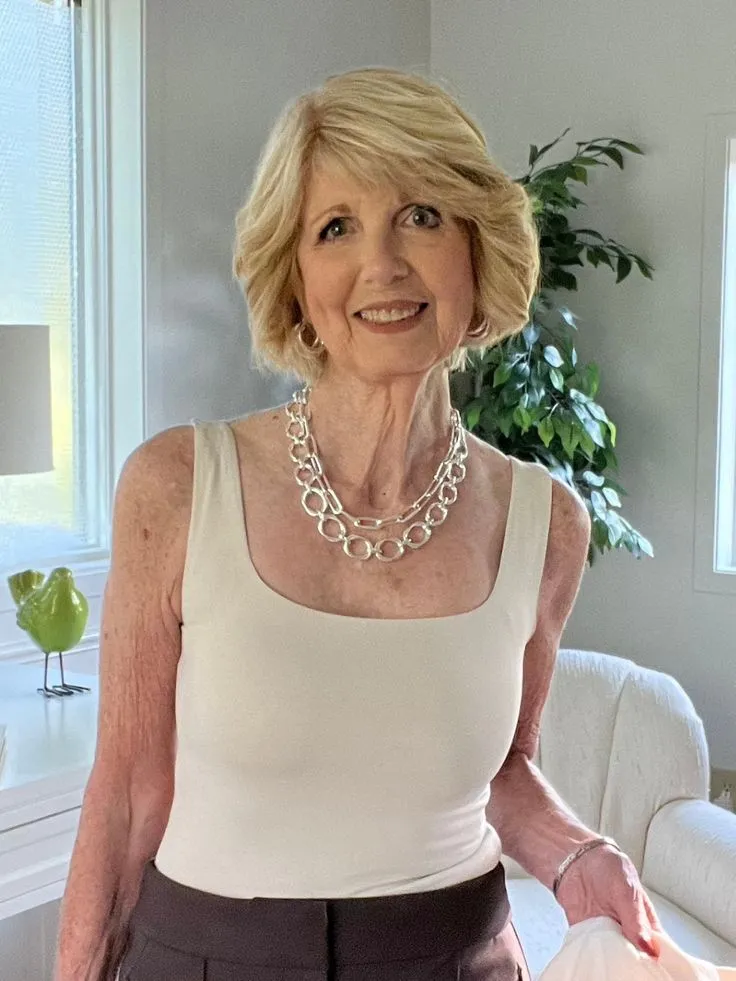
Photo: 1970s orange formica kitchen interior retro UK terraced house, via i.pinimg.com
Location scouting for a micro-budget film is often described as a creative hunt. In practice, it is a series of phone calls, doorsteps and small acts of trust. Our film is set in 1970s Leeds. We had a camera, a short shooting window and a budget that would not stretch to a studio build. What we needed was a kitchen that looked lived-in, not dressed — and a community network willing to let us in.
Monday: the wish list
We started with a mood board that was more honest than glamorous. We wanted a back-to-back or terraced house with a kitchen that had not been ripped out and replaced with grey gloss. Orange Formica would be a bonus. A serving hatch, lino with a bit of a pattern, a shelf for tins, a window over the sink. The script called for a room where a family would actually row over the tea, not a showroom.
The problem with period detail is that real homes are not museums. People update them. The houses that still had the right feel were often the ones where someone had lived for forty years and had no interest in a film crew trampling through. Fair enough. So we stopped looking for a location and started looking for people.
Tuesday: community networks do the heavy lifting
The first useful lead came from our local community cinema audience. One of the volunteers knew a woman whose mother had lived in the same house since the 1970s. The second came from a notice in a church newsletter. The third came from a film society member who mentioned it at the pub. None of these were location agencies. They were all people who already trusted someone we trusted.
That is the real scouting method on a micro-budget film: ask the network, then ask the network's network. We posted in local Facebook groups, but the replies that mattered came through a person. A message from a stranger can be ignored. A message that says Jan from the film club said you might know someone gets read.
Wednesday: the ask
We had to be clear about what we were asking for, because can we borrow your kitchen for a film can sound either exciting or alarming. We put together a one-page note: who we were, what the film was, the dates, the hours, how many people, what we would move, what we would not touch, and what insurance we had.
We also said what we could offer. It was not cash — we did not have much. We offered a donation to a local community group, a credit in the film, a copy of the finished piece, and a written agreement. We offered to pay for a professional clean afterwards. We offered to replace anything damaged. And we offered to keep the crew small: a director, a DP, a sound recordist and a runner. No circus.
The best conversations happened on doorsteps, not in emails. People wanted to meet us before they said yes. That felt right. If someone is going to let you into their home, they should know who you are.
Thursday: the front room with the orange Formica
The house we found was not in Leeds city centre. It was on a quiet estate, and the kitchen had been fitted in the 1970s and then mostly left alone. There was a serving hatch, a strip light that hummed, and a cupboard door that did not quite close. The owner, Margaret, had raised three kids in that room. She was not sentimental about it, but she was protective. She asked sensible questions: would we move the fridge, would we smoke, would we leave the floor dirty?
We walked through the shoot day in her kitchen with her. We agreed which cupboards were out of bounds. We put felt pads under the tripod. We promised to bring our own bins and to keep the back door closed so the cat could not get out. By the end of the conversation she had made tea and asked whether we needed her late husband's old radio as a prop. We did. It was perfect.
Friday: making it a set
On the day, the kitchen changed without being changed. We moved a few things, added a period radio, swapped a modern kettle for an older one and put a tea towel over the microwave. The art department's whole job was subtraction as much as addition. Margaret watched the first take from the doorway and laughed at the line about the gas bill. That was the moment the room stopped being a location and became part of the film.
What we learned
The practical lessons were small but useful: write the one-page ask, bring insurance details, agree the boundaries in writing, and budget for a proper clean. The social lesson was bigger. A free location is rarely actually free. It is a trade of trust, time and care. If you get that right, a stranger's front room can become the most convincing set you could ever build — and you might get a decent cup of tea out of it too.