Ten Minutes Before the Feature: How a Short Film Slot Builds a Loyal Village Audience
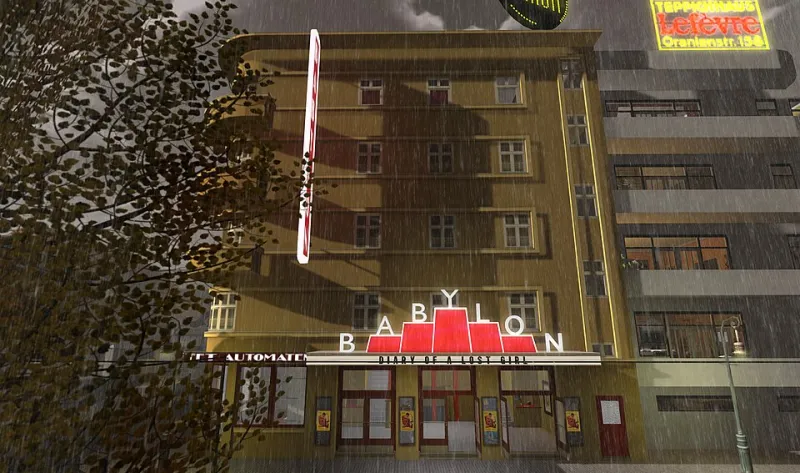
Photo: Jo Yardley, CC BY-SA 4.0, via Wikimedia Commons
On a damp Thursday in a church hall, we watched a 12-minute documentary about a bus route before the main feature. The room went quiet in a way it had not for the feature. Afterwards, three people asked who made it. That is the moment the short slot stopped being a warm-up and started being part of the programme.
This is not a new idea. Film festivals have paired shorts with features for years. What is changing in 2026 is that volunteer-run cinemas are doing it at village-hall scale, with local filmmakers, small budgets and a projector that sometimes needs coaxing. When it works, the short slot does more than fill ten minutes. It gives the audience a reason to come back.
The warm-up act problem
The old model was simple: doors at seven, feature at half past. The short slot can feel like a risk. Will people arrive on time? Will the Q&A overrun? Will the filmmaker bring a file that will not play? These are real concerns, but they are production problems, not reasons to avoid the idea.
The trick is to treat the short as part of the night, not an extra. Put it in the running order. Print it on the ticket. Say it in the welcome. If the audience knows the short starts at 19:30, they will arrive for 19:30. If it feels like a bonus that might happen, they will drift in during the opening titles.
Curate for the room, not the showreel
The best short for a village hall is not always the most acclaimed one. It is the one that connects to the feature, the place or the people in the room. A 90-second animation can work before a family film. A local documentary can work before a feature about landscape or work. A tense thriller short can work before a tense thriller feature, but check the room: some audiences want a gentle landing, not a second dose of anxiety.
Keep it short. Five to 12 minutes is the sweet spot for most community nights. One short is enough. Two shorts and a Q&A before a two-hour feature is a long evening, especially on a school night.
Licensing without the headache
This is where volunteer screens often get stuck. You cannot simply screen a short because it is on Vimeo. Get written permission from the filmmaker, even if they are local and enthusiastic. Confirm the music is cleared or that the film uses library music with the right licence. Ask for a caption file if the film has dialogue, and test the file on your kit before the night.
A simple one-page agreement works: title, runtime, screening date, venue, whether the screening is free or ticketed, and whether the filmmaker is happy for a Q&A. Keep it in the shared folder. It protects the filmmaker and the venue, and it makes the night feel professional without turning into a legal seminar.
Hosting a Q&A that does not kill the night
The Q&A is the part that can make or break the format. A 20-minute ramble after a 10-minute film is a mood killer. Aim for eight to 10 minutes, with the host asking one prepared question and the audience asking two or three. If the filmmaker is not there, skip the Q&A and use a short recorded introduction instead.
Brief the filmmaker beforehand: what the room is like, how long they have, whether they want questions or just a few words. Have a hard stop. If the conversation is flying, you can always continue in the bar or the foyer. The screening should not feel like it is being held hostage by the post-film chat.
What it does for collaborative filmmaking
The real value is not the ten minutes on screen. It is the relationship. A local filmmaker sees their work in front of an audience. The audience sees a face and a name behind the film. The cinema becomes a place where work is made and shown, not just consumed. That is the collaborative bit. It is also the bit that builds loyalty.
At Together Film, this is the kind of small programming choice we keep coming back to. It does not require a bigger budget or a new committee. It requires a bit of curation, a clear agreement and a host who can keep the night moving. In 2026, that feels like a very good use of ten minutes.
A small change, a longer conversation
The short before the feature is not a gimmick. It is a way of saying that the screen belongs to the people in the room. If you are running a volunteer cinema, try one short in your next season. Put it in the running order, test the file, and protect the running time. Then watch what happens when the lights come up.